
Mill Shoals Forest
Location: Nine Times Road, Pickens, SC
Size: 713 acres
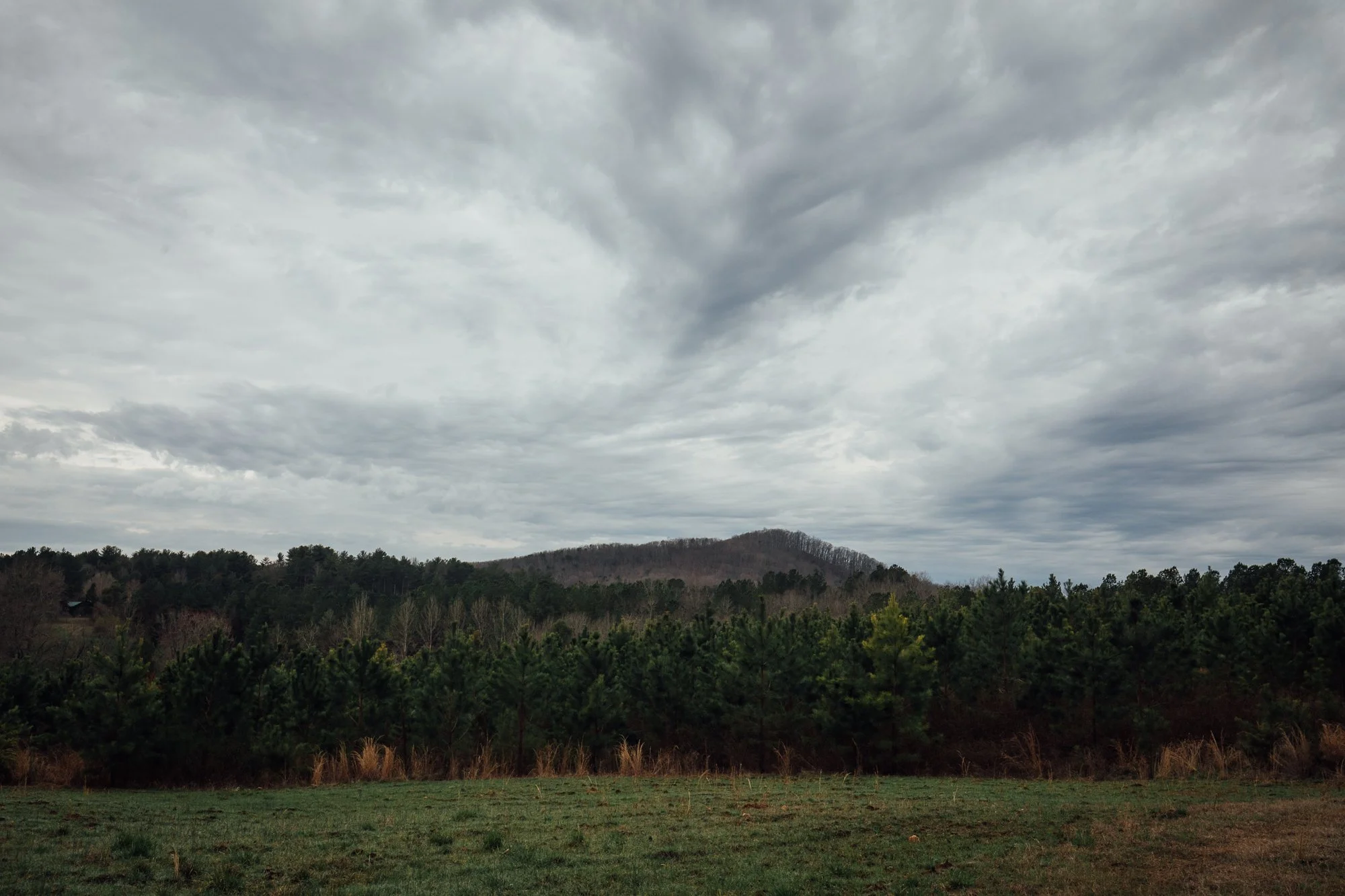
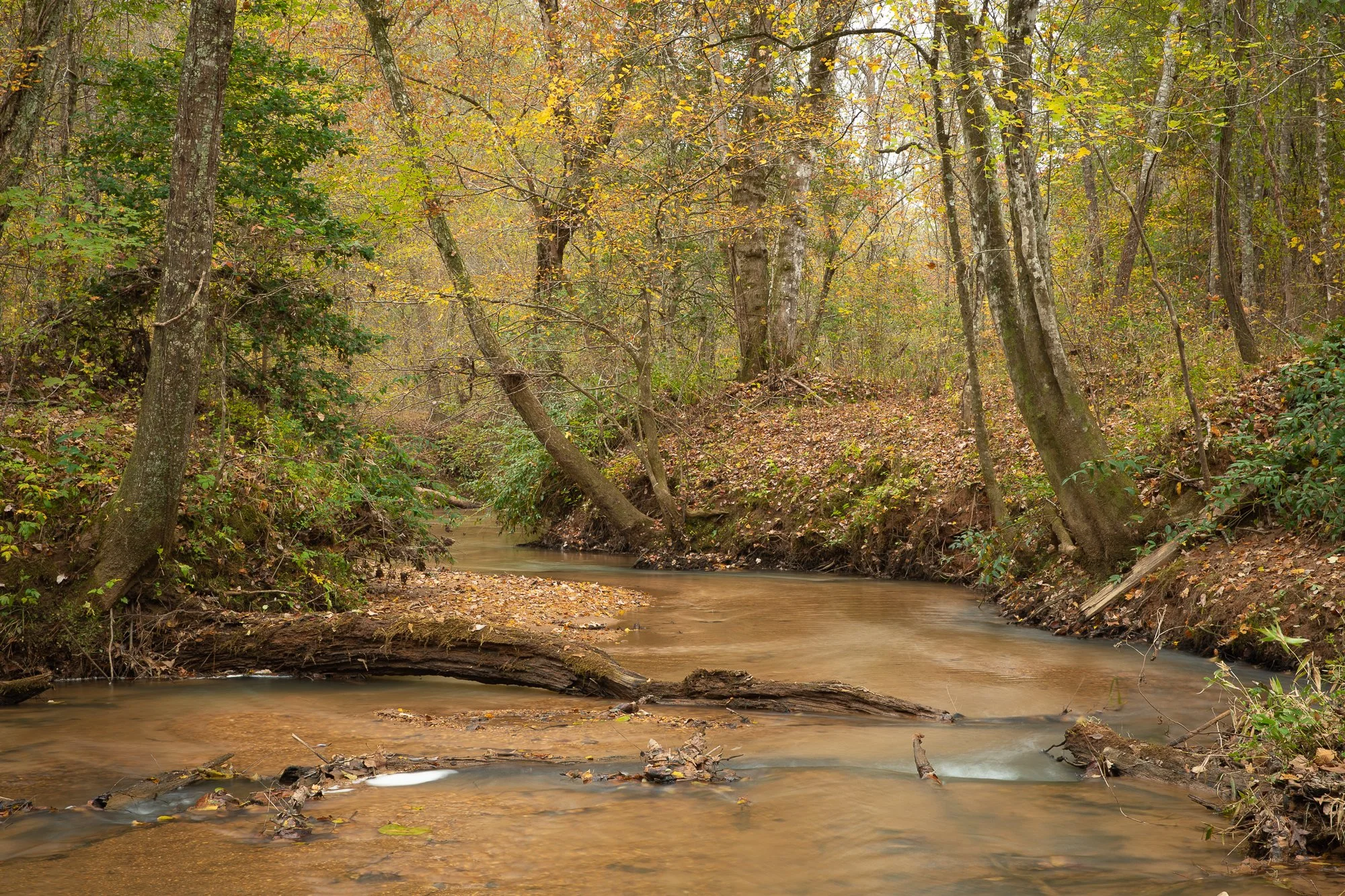
Habitat: Pine forest, mixed hardwood forest, floodplain, Mill Shoals Creek
Public Use: Pending
Partners: SC Conservation Bank, US Forest Service
Year Protected: 2020
The Newman Tract sits only two parcels away from and lies within the immediate viewshed of the Nine Times Forest and The Nature Conservation's (TNC) Nine Times Preserve, which together protect over 2,200 contiguous acres of stunning granitic outcrops, mountains, forest and stream in Pickens County. Nine Times is often called the gem of the Upstate. Through Naturaland Trust’s and TNC’s conservation efforts, the Nine Times region has become a boom for local recreation, innovative research with Clemson University, hunting and fishing through the SCDNR’s WMA program and a hotspot for wildlife and biodiversity. These properties are open to the public year-round and every weekend, the parking lots are full of hikers, hunters and rock climbers from around the country despite the proximity of state parks nearby. We continue to add new hiking trails to keep up with demand. Adding 803 acres to this protected block, protecting the forested views and the streams that flow through the Newman Tract will help fortify the existing preserves and facilitate the creation of an even larger corridor in the coming years.
The 803-acre property was the legacy of Leon Newman and his two sons, Boyd and Brownie. Their property was an outlier in the region, not only for the diversity of habitats and abundance of natural resources but also because of the size. At that time, 92% of the land in Pickens County was 10 acres or less, leaving many of the historic and natural landscapes fragmented and isolated from one another. The popularity and economic prosperity of the Upstate drove many people to move to the rural areas of Pickens County for mountain views and scenic drives. As such, developers coveted the few large properties that remained. A 300-acre parcel was recently converted to high-density homes only two miles from the Newman Tract. The more fragmented this region inevitably became over time, the more difficult it was to piece it back together. In one effort, we made a significant positive impact to preserve not only the natural facets of the Upstate but also several culturally and historically significant sites as well.
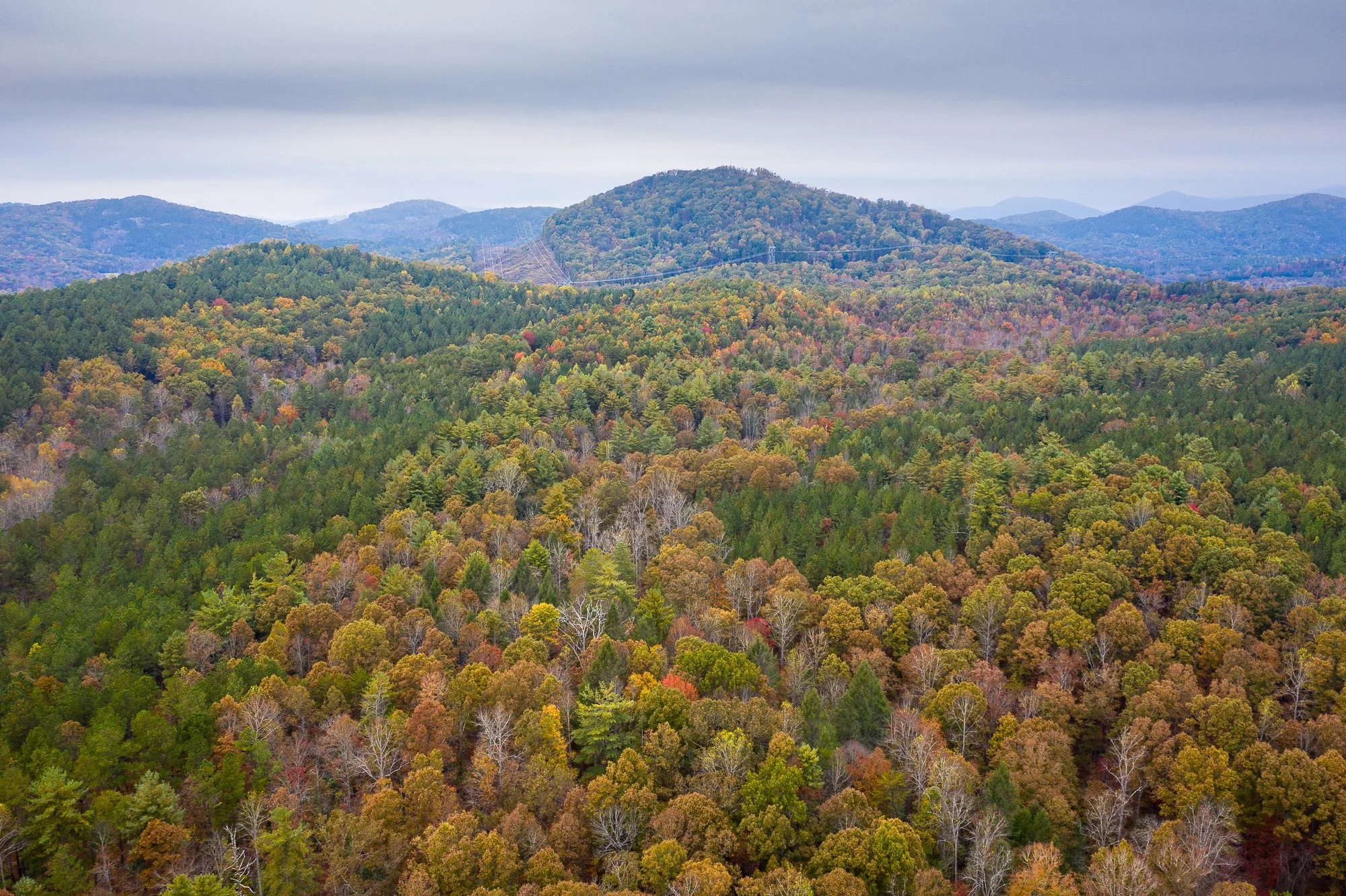
Habitat fragmentation affects wildlife like black bear, deer, bobcats, and turkey that traverse boundaries and relies on unbroken tracts of land for their mating, nesting, and foraging. The Newman Tract added 803 acres of protected wildlife corridor to the existing 2,200 acres of the Nine Times Preserve and became available to SCDNR for inclusion in the WMA program to allow for public use. Fragmentation, however, also affects cultural and historical facets as well. Over time, as larger tracts became subdivided, properties changed hands, and when land use changed, the unique histories were invariably lost. The Newman property was originally located at the intersection of two historically important colonial era roads. The Nine Times road originally linked several Cherokee villages and the Walton Ford/Douthit’s Ford road ran all the way from central Georgia to Virginia. That old road ran through the length of the Newman property and is eligible for listing on the National Register of Historic Places.
The Newman property also contained vestigial remains of several other significant historical elements: a prominent raised section of the railroad bed, an isolated hilltop primitive cemetery, the site of a 19th century post office and an early African American church and school. According to Dennis Chastain, who conducted an historical analysis of the property, the church/school was one of the most important historic features on the Newman property. Very few of the old white community schools in Pickens County are left intact, but there are none of the “colored” community schools remaining. It was an important potential archaeological site, a rare find for an anthropologist or historian looking to document the disappearing history of small independent, community-based “colored’ schools.